Programs For Educators

Professional Development for Educators

Become Equipped to Develop Lifelong Learners

90%+ ACHIEVED MASTERY

The COGx approach has enabled 90%+ of participants to achieve mastery of the concepts.

“COGx is the finest example I’ve encountered of cutting edge research applied to educational methodology. All educators should be required to learn effective strategies to develop the foundational cognitive skills students need to engage in the critical thinking and creative problem solving that 21st century education demands.”

In Partnership With Experts on Learning Science from...
What Makes Us Unique

Experience Evidence-Based Instructional Approach

Scientific Rigor

Grounded in research and co-developed with leading researchers in the science of learning.

A Rich Toolkit

With 200+ evidence-based strategies, educators gain practical tools to apply the science of learning in classrooms.

Active By Design

Learners are prompted to think, question, retrieve, and reflect not simply consume content.

Human Connection

Live workshops, peer exchange, and facilitator guidance make learning collaborative and personal.

Built for Transfer

Application is woven into the experience so educators move from surface learning to classroom application.

Designed to Stick

Carefully embedded instructional design help deepen understanding, strengthen retention & support outcomes.

94% PROGRAM ENDORSEMENT

Educators highly recommend COGx Science of Learning Programs to others.

Flexible. Personalized. Adaptive

Skills We Develop

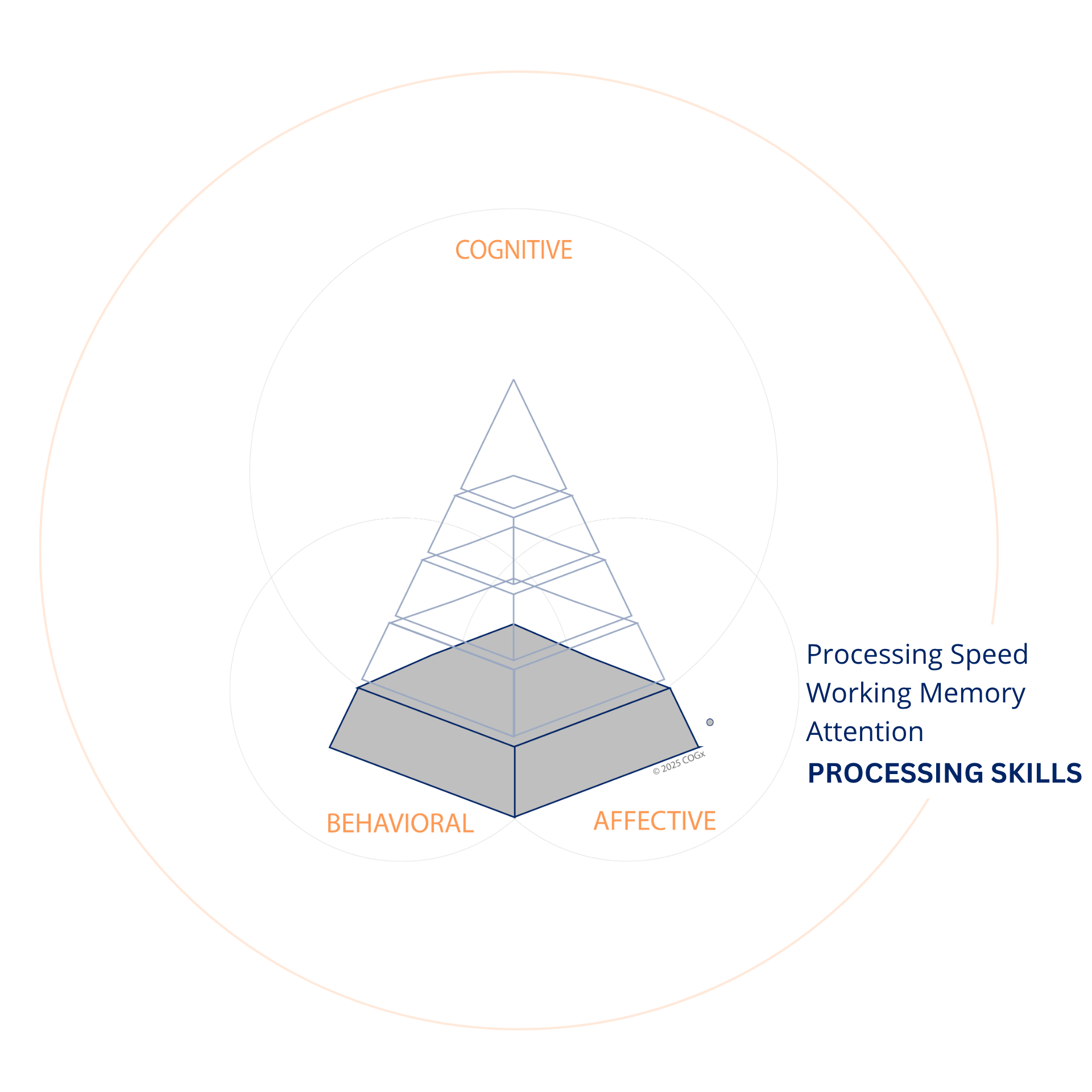
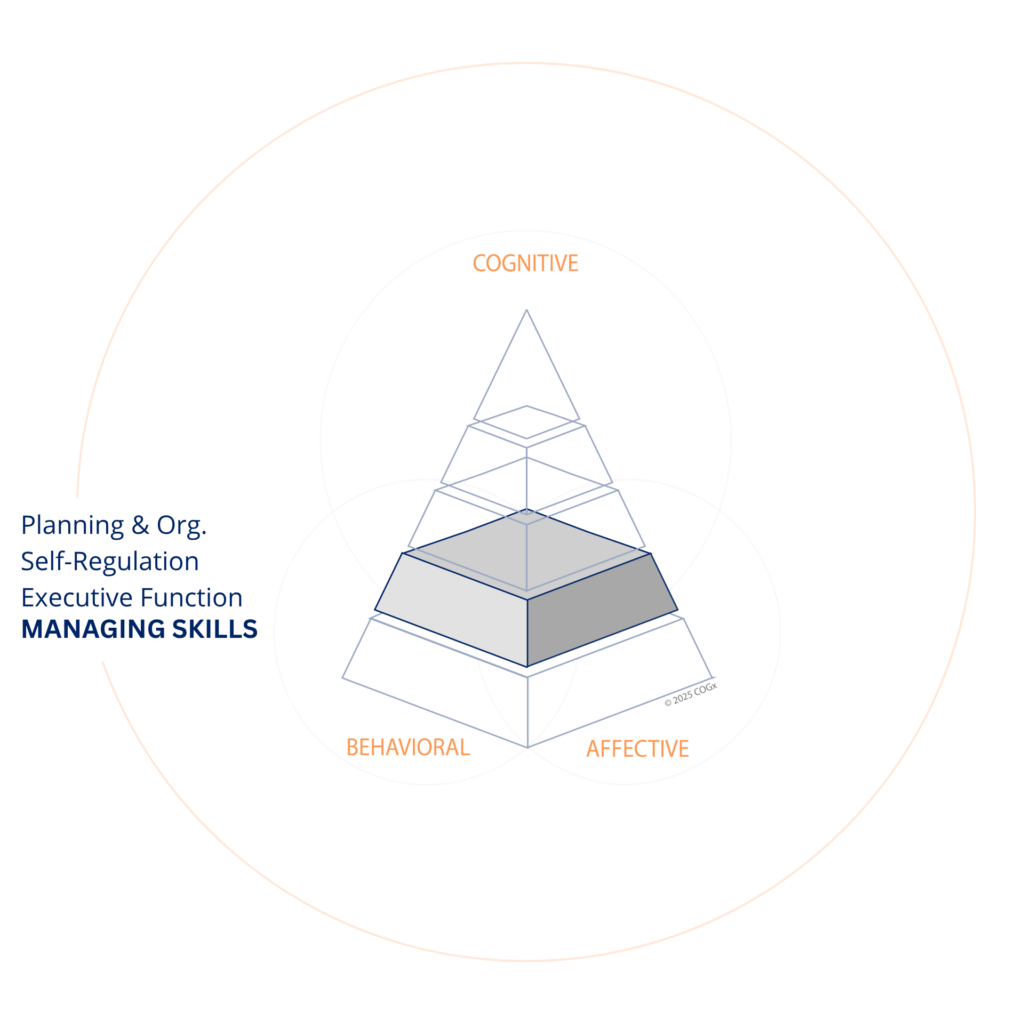
Processing & Executive Function Skills

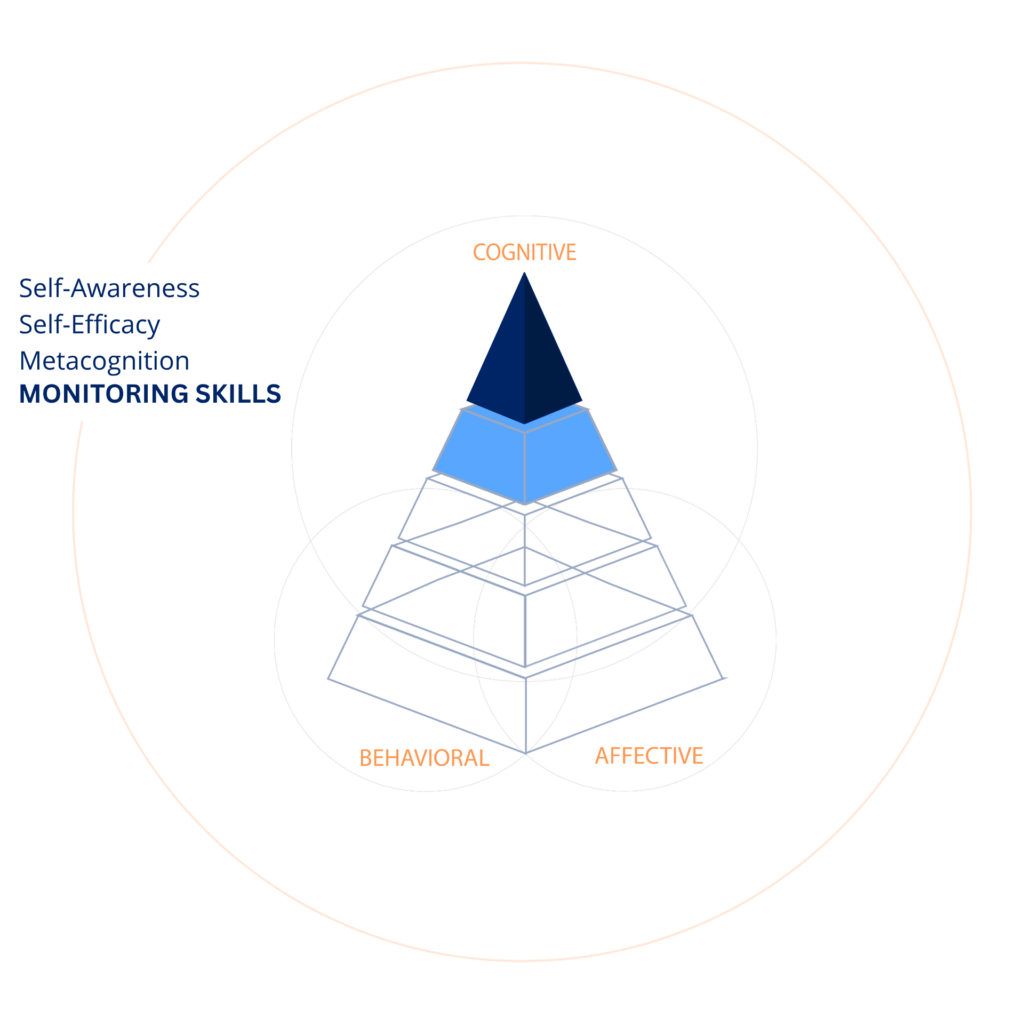
Educators explore cognitive processes that shape how students engage with learning, with particular focus on attention, processing speed, working memory, and executive function.

Learning Outcomes
  • Master the three core processing skills essential for learning and that underpin Executive Function.
  • Recognize the role and limitations of working memory and apply strategies that optimize learning and reduce cognitive overload.
  • Recognize how processing speed influences wellbeing and learning; and apply appropriate differentiation strategies.
  • The 4 types of attention and strategies to capture your students’ attention.
  • Common root-causes of inattention.
  • Apply practical strategies to support students with task initiation, organization, sustained attention, self-regulation and follow-through in classroom settings.

As a class we were discussing processing speed and the common challenges for fast and slow processors. A student was able to name that her processing speed may play a role in her careless errors was really valuable for her development as a learner.

Teach for Mastery (Encoding & Retrieval)

Empowers educators with proven techniques to help students encode new information, strengthen retrieval, and build durable, flexible knowledge for deeper learning.

Educators learn...
  • Explain the architecture of human memory and its importance for knowledge, transfer and mastery.
  • Recognize common illusions, misbeliefs, and memory myths that inhibit learning.
  • Master and apply 8 evidence-based memory techniques that help students encode information and 4 evidence-based retrieval strategies that foster deeper learning and mastery.
  • Teaching strategies and methods to help students recall information including activation of prior knowledge and retrieval practice.
Foster Metacognition

Empowers Educators with strategies to develop metacognitive awareness and independent learning.

Educators learn...
  • How to assess students’ metacognitive skills to identify strengths and areas for growth.
  • Techniques to help students analyze mistakes and use them to strengthen understanding and resilience.
  • Implement classroom strategies that teach students to monitor and adjust their learning behaviors fostering independence and deeper learning.

I think all educators should know the science behind learning and metacognition in order for us as educators to have self-directed, sophisticated and independent learners.

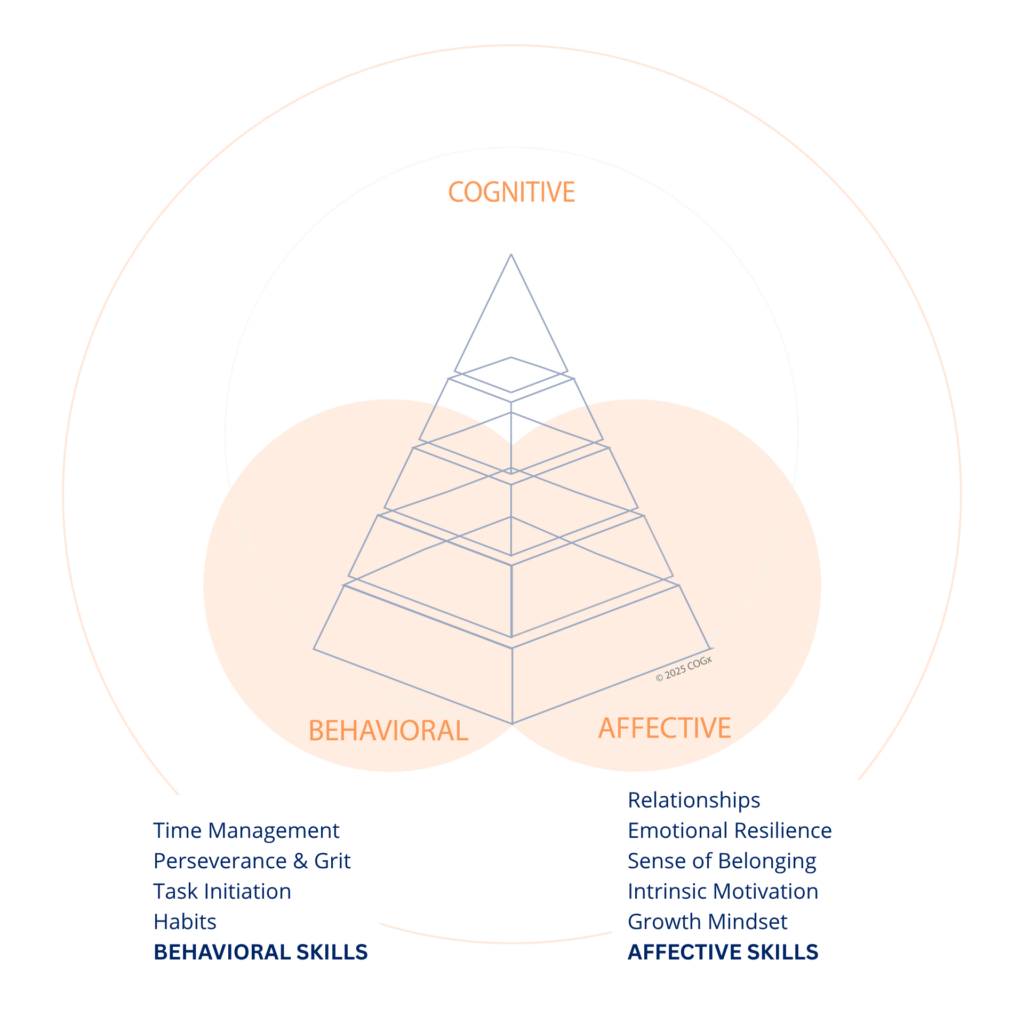
Support Wellbeing

Empowers educators with strategies to foster student engagement, motivation, and positive learning behaviors.
Educators learn...
  • How cognition, emotion, and behavior are interconnected and how emotions and mindset influence student effort, persistence, and learning outcomes.
  • To acquire strategies to cultivate classroom environments that promote positive emotions, student agency, and a sense of belonging, which are essential for sustained engagement.
  • Evidence-based methods to foster intrinsic motivation and engagement, even for students who struggle or feel disengaged, helping reignite curiosity and a love of learning.
COGx Expert guidance + Coaching

How Educators Learn

Program Experts

Program experts provide ongoing guidance throughout the learning journey by monitoring progress and responding to questions.

classroom-aplication-icon
Live Workshops (Application Hours)

Live synchronous sessions, where educators collaborate, ensure program concepts are applied into classroom settings with fidelity.

In-person Support

Incorporated at key moments in the program to strengthen engagement, connect learning to local priorities, and sustain momentum over time.

What Educator Are Saying

Who Educators Learn From

COGx Academic Partners

Explore how COGx can provide PD solutions in your building